
About
Twenty years, forty seconds.
Kate's first 100 metres of butterfly, a lifeguard walked the deck beside her the whole way. Twenty years later she swam for Australia. The difference was about forty seconds and almost none of it came from trying harder.
You find forty seconds in a hundred small places. The catch. The turn. Whether the coach you've got is still the right coach for the swimmer you've become. It's patient, unglamorous work and it only pays if you're honest about what's actually slowing you down, which is rarely the thing you assumed.
The technology changed under her the whole way through. New suits arrived and got banned. Goggles, caps, even the pools got faster. Some of it was worth chasing and some of it was a distraction, and she got that wrong more than once. Bought the thing, tried the thing, went slower. The lesson wasn't to avoid new technology. It was to work out which bit of it actually mattered, and to be honest when it didn't.
Businesses are the same shape. Most aren't underperforming because people aren't trying. They're underperforming because the system around the people is costing them forty seconds a lap and nobody has stopped to find out where. AI has just made the gap between businesses that look and businesses that don't a lot wider, a lot faster. That is the work we do.
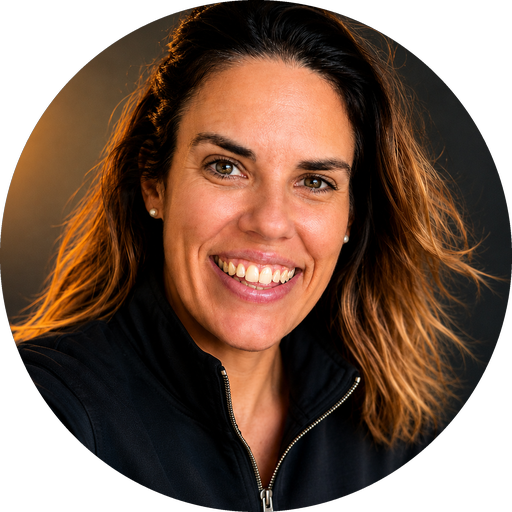
Kate spent fifteen years inside construction, plumbing and national trade groups. Payroll, Fair Work compliance, and the systems underneath all of it. We've been the bottleneck too, the person who couldn't take leave because the answers lived in one head. Nobody sets out to become that person. You get there by being good at your job.
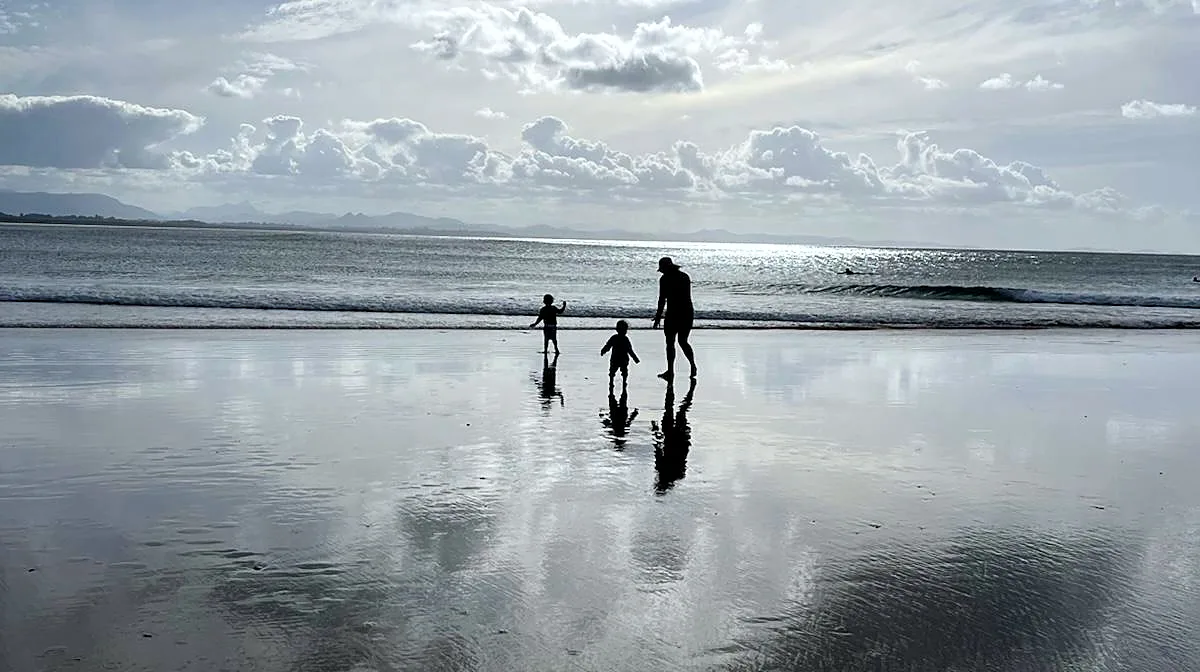
We're based on the Gold Coast. Kate still swims, and we keep the hours that let us be at the beach with our families. That's the point of all this, not a perk. We'd be a fraud selling you time back if we hadn't taken ours.
Why we do this
The point was never the work.
It was the time the work was supposed to buy. More of it with the people we love, and enough left over to be a decent version of ourselves for them.
What we believe and how we work
Process before tools. Standardise before you automate. Enter data once and use it many times. Keep a human accountable for the decisions that matter. And the one that costs us work: if a setting fixes your problem, you didn't need us. It's why the free wins are published as walkthroughs you can follow yourself. The first steps are open to anyone. We ask for an email for the rest so we can send you the guide, not so we can drip-market you.
We run our own business on exactly what we build for clients. It's all real and it's all running, which means we know where these things break, because we've broken them. We've also built things we shouldn't have and learned from that. You'll deal with us. There's a delivery model behind it and a review gate on anything anyone else touches, but the people you talk to are the people doing the thinking.
Who you get
Two directors, two specialisms.
Seton Walsh-Rose is a director and our HR specialist for architecture, engineering and construction, with a commerce and law degree behind it. Where an engagement touches people, employment structure or the obligations that come with them, that's Seton's end.
Kate Lynch is this end. Operations, AI and automation, compliance, knowledge capture, and the systems that hold them together.
Systems, and the people inside them. Most of what goes wrong in an operations problem is one of those two wearing the other one's clothes, and it matters that the person telling you where an obligation sits is qualified to.
Worth a conversation?
30 minutes, free. Bring the thing that's actually annoying you.